



05 Jun Summer Heat and Heart Disease: What Dog Owners Need to Know
Summer is a great time to get outside with our dogs, but warmer temperatures can create additional challenges for dogs with heart disease. Every year, we see patients who are doing very well from a cardiac standpoint until a period of extreme heat leads to breathing difficulties, weakness, or even an emergency visit.
Fortunately, a little planning and awareness can go a long way toward keeping these dogs safe.
How Heat Affects Dogs with Heart Disease
Dogs cool themselves primarily through panting. Unlike people, they do not sweat effectively to regulate their body temperature. When temperatures rise, panting becomes their primary method of cooling.
For dogs with heart disease, this can become problematic. Increased panting requires additional work from both the respiratory and cardiovascular systems. A heart that is already compromised may not be able to keep up with these increased demands as effectively as a healthy heart.
Heat can also lead to dehydration, which may affect circulation and can be particularly important in dogs receiving medications such as diuretics.
Why Humidity Matters
Many owners focus on temperature alone, but humidity can be just as important.
Panting works by allowing moisture to evaporate from the respiratory tract. When humidity is high, evaporation becomes less efficient, making it much harder for dogs to cool themselves. As a result, a humid 85-degree day may be more stressful for some dogs than a dry 95-degree day.
Living in Las Vegas with a Cardiac Patient
While humidity receives much of the attention in many parts of the country, Southern Nevada presents a different challenge. Las Vegas summers routinely bring temperatures well above 100°F, and surfaces such as asphalt, concrete, and artificial turf can become significantly hotter than the surrounding air temperature.
The dry desert climate does allow dogs to cool themselves more efficiently through panting compared to humid environments. However, extreme heat can still place substantial stress on the cardiovascular system, particularly in dogs with underlying heart disease. Many owners are surprised by how quickly a short walk or backyard play session can become strenuous during the summer months.
For cardiac patients living in Las Vegas, outdoor activities are often best limited to the coolest hours of the day. Even then, owners should pay close attention to their dog’s breathing effort, energy level, and willingness to continue exercising. During periods of extreme heat, many dogs are safest spending most of their time in an air-conditioned environment, with outdoor activity limited to brief walks and bathroom breaks.
The good news is that most dogs do not know whether their walk lasted five minutes or thirty minutes. During the hottest parts of the year, shortening outdoor activities is one of the simplest and most effective ways to reduce heat-related stress on the heart.
What Signs Should Owners Watch For?
Dogs with heart disease should be monitored closely during periods of hot weather. Contact your veterinarian if you notice:
- Increased or excessive panting
- Labored breathing
- Weakness or lethargy
- Reluctance to exercise
- Collapse or fainting
- Blue, gray, or very dark red gums
- A sudden increase in resting respiratory rate
These signs do not necessarily mean a cardiac emergency is occurring, but they do warrant prompt attention.
Tips for Staying Safe During the Summer
The easiest way to reduce risk is to avoid the hottest parts of the day. Walks and outdoor activities are generally best scheduled in the early morning or later in the evening when temperatures are lower.
Always provide access to fresh water and a cool place to rest. Air conditioning is ideal during periods of extreme heat.
Many owners are surprised by how quickly pavement can become hot enough to burn paw pads. If the pavement is uncomfortable for your hand, it is likely too hot for your dog’s feet.
Owners should also remember that dogs with heart disease may not recognize their own limitations. Some patients will continue playing or exercising long after they should have stopped, making supervision especially important.
What About Dogs Taking Heart Medications?
Many cardiac patients receive medications such as furosemide, torsemide, or spironolactone. These medications are important for managing heart disease, but some can increase water loss through urination.
Do not discontinue medications because of hot weather unless specifically directed by your veterinarian. Instead, monitor your dog closely and contact your veterinary team if you notice changes in drinking, urination, appetite, breathing, or energy level.
The Bottom Line
Most dogs with heart disease can enjoy the summer safely. The key is recognizing that heat and humidity place additional stress on the body and making a few common-sense adjustments to daily activities.
A morning walk instead of an afternoon walk, plenty of water, and a cool place to relax may be all that is needed to help your dog stay comfortable throughout the summer months.
When in doubt, remember that no dog has ever suffered from missing a walk because it was too hot outside. Waiting for cooler temperatures is almost always the safer choice.
If your dog has been diagnosed with heart disease or you’re concerned about changes in their breathing, energy level, or activity tolerance, contact our team today to schedule a cardiac evaluation and discuss the best plan for keeping your pet comfortable and safe year-round.
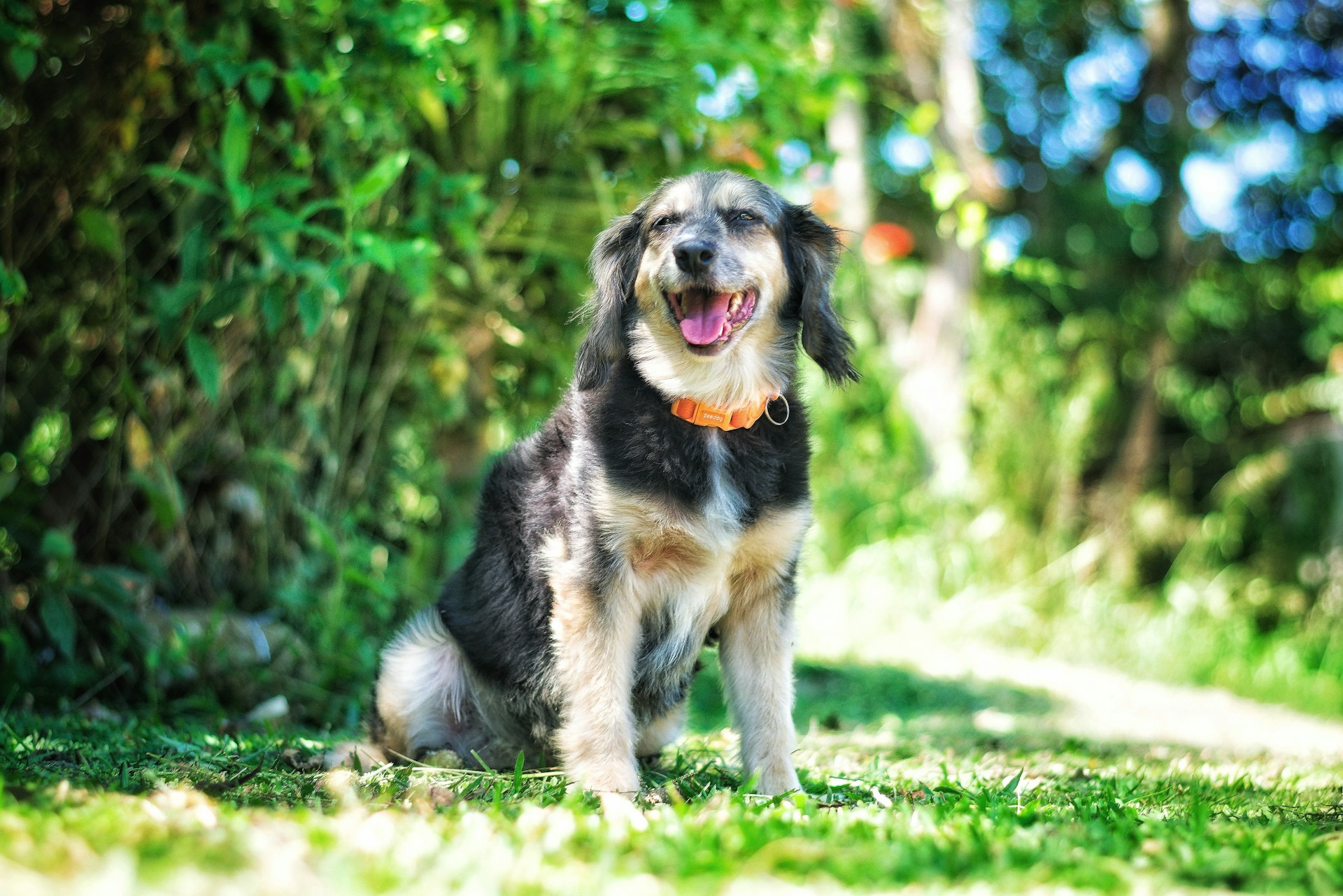
Photo by Rafael Shiga on Unsplash used with permission under the Creative Commons license for commercial use 06/05/2026